
The bones
Our supporting structure
Bones are the supporting structure of our body. These organs are well vascularized and consist of different tissues. Dependent on position and function they have a different shape and composition. Mechanical properties, which are key, are given by the composition of the bony tissue. Bones consist mainly of an outer compact part (coricalis or compacta) and an inner ‘spongy’ framework (spongiosa). Thereby 95% of the bone matrix consist of collagen1.
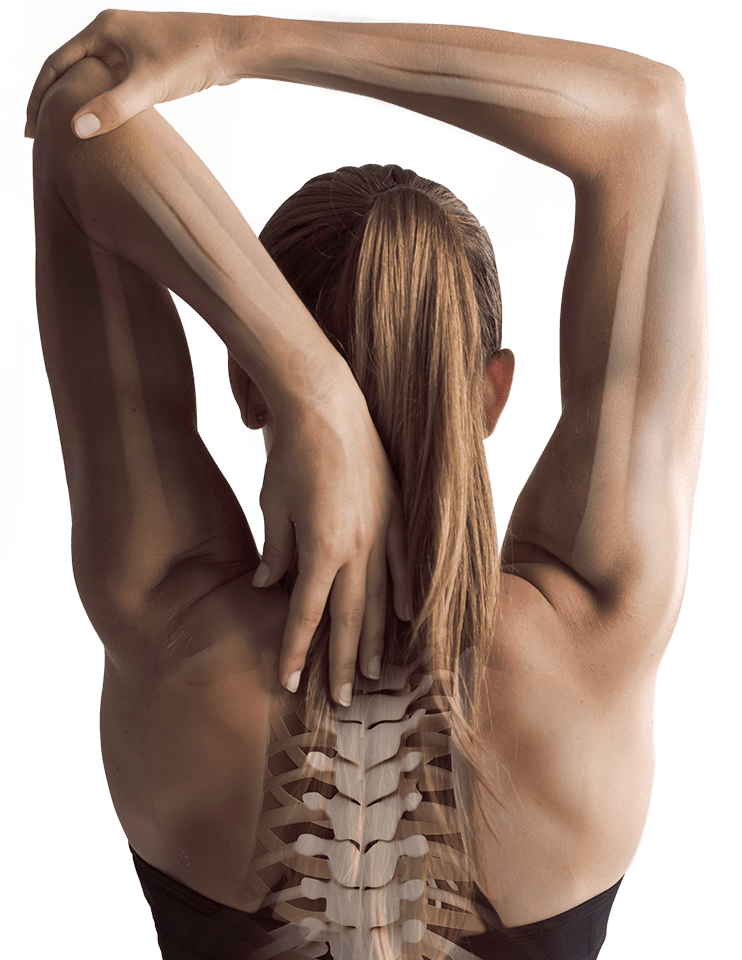
Bones are in constant remodeling
Bones are not a static construct but undergo a regular conversion. As well they adapt itself to external load bearing. Thereby bone cells (osteocytes) are degraded by osteoclast (bone degradation cells) and new cells are generated by osteoblasts (bone building cells). It is assumed that within 7 to 10 years the equivalent of our entire bone mass is being replaced.
Unfortunately, there are as well diseases affecting the bone as e.g. osteoporosis. Osteoprosis can lead to thin and porous bone. This increases the fracture risk and limits the mobility. Physical activity might partly counteract to the bone loss, as the forces acting on the skeletal system might lead to the formation of new bone 2,3. It has been as well seen that the intake of specific collagen peptide might have a positive effect on bone mineralisation within female with reduced bone mineralisation4. Thus regular physical activity, healthy lifestyle and food might be of a support.
References
- Body J et al. ‘Non-pharmacological management of osteoporosis: a consensus of the Belgian Bone Club.’ Osteoporos Int. Band 22, Nr. 11, 2011, S. 2769–2788, doi:10.1007/s00198-011-1545-x.
- Bonaiuti D et al. ‘Exercise for preventing and treating osteoporosis in postmenopausal women.’ Cochrane Database Syst Rev. Band 3, doi:10.1002/14651858.CD000333.
- König D et al ‘A Specific Collagen Peptides Improve Bone Mineral Density and Bone Markers in Postmenopausal Women—A Randomized Controlled Study ’ Nutrients 2018, 10, 97